






Chiropractic support for motor vehicle accident-related muscle spasms naturally focuses on correcting spinal misalignments, reducing nerve compression, and promoting healing. Chiropractors use manual palpatation, orthopaedic testing, and imaging to assess spasms, then apply adjustments and manipulations. Therapeutic modalities like heat/ice, electrical stimulation, and ultrasound aid recovery. Regular care improves acute spasms management, reduces chronic pain risk, and enhances overall recovery outcomes. This non-invasive approach targets structural issues for lasting symptom relief and improved quality of life.
Motor vehicle accidents can lead to a host of physical ailments, with muscle spasms being a prevalent issue for survivors. These spasms not only cause acute pain but can also significantly impact daily functioning, making it crucial to address them effectively. Chiropractic support has emerged as a natural and non-invasive solution, offering relief from these post-accident spasms. This article delves into the role of chiropractic therapy in calming such muscle disruptions, providing an authoritative guide for those seeking recovery and rehabilitation after a vehicular incident. By exploring specific techniques and their benefits, we aim to equip readers with valuable knowledge on a proven method of managing motor vehicle accident-related muscle spasms.
- Understanding Motor Vehicle Accident-Related Muscle Spasms
- The Role of Chiropractic Support in Calming Spasms Naturally
- Effective Chiropractic Techniques for Long-Term Relief
Understanding Motor Vehicle Accident-Related Muscle Spasms

Motor vehicle accidents can cause a cascade of physical issues, with muscle spasms being a common and often debilitating symptom. These spasms are the result of traumatic impact, compression, or strain on muscles, tendons, and ligaments. Chiropractic therapy offers a natural and effective approach to managing these post-accident muscle spasms. Chiropractors focus on the relationship between the body’s structure, particularly the spine, and its function, aiming to alleviate pain and restore mobility.
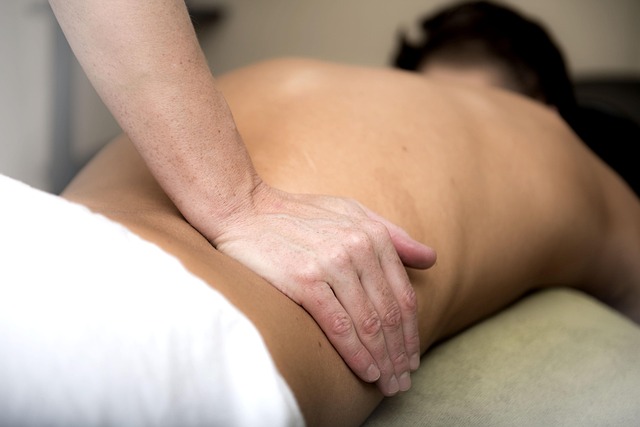
In the context of motor vehicle accidents, chiropractic support for muscle spasms involves several key strategies. Chiropractors perform a comprehensive assessment to identify the affected areas and the specific nature of the spasm. This may include manual palpatation, orthopedically testing joint range of motion, and reviewing imaging reports. Once identified, targeted adjustments and manipulations are applied to reduce spinal misalignments and irritations that can contribute to muscle spasms. For example, a chiropractor might use gentle adjustments to the cervical spine following a whiplash injury or specific techniques to address tight muscles in the lower back due to seatbelt entrapment.
Additionally, chiropractors often incorporate therapeutic modalities such as heat/ice therapy, electrical stimulation, and ultrasound to aid in muscle relaxation and healing. They may also provide practical advice on posture, ergonomics, and activity modification to prevent exacerbating symptoms. Regular chiropractic care after a motor vehicle accident can help manage acute spasms, reduce the risk of chronic pain development, and improve overall recovery outcomes. Studies show that chiropractic intervention can significantly decrease pain and disability in individuals with whiplash-associated disorders, proving the effectiveness of this approach.
The Role of Chiropractic Support in Calming Spasms Naturally

Chiropractic therapy has emerged as a powerful tool for calming spasms, offering a natural and non-invasive approach to muscle relief. This alternative treatment method focuses on the relationship between the body’s nervous system and its structural integrity, particularly the spine. By adjusting and manipulating the spinal column, chiropractors aim to reduce pressure on nerves, improve joint mobility, and facilitate the body’s inherent self-healing mechanisms. This holistic approach is especially beneficial for individuals recovering from motor vehicle accidents, where muscle spasms often persist as a result of physical trauma and subsequent inflammation.
One of the key advantages of chiropractic support for motor vehicle accident-related muscle spasms naturally is its ability to target specific areas of discomfort without using pharmaceuticals or invasive procedures. Chiropractors utilize their expertise to identify trigger points and misalignments, applying gentle adjustments to restore balance in the musculoskeletal system. This tailored approach can significantly alleviate post-accident spasms, providing much-needed relief to victims who may be experiencing chronic pain and reduced mobility. Research suggests that chiropractic care can lead to substantial improvements in pain management and functional abilities for individuals with whiplash and other accident-related injuries, offering a promising alternative to traditional treatments.
Moreover, the benefits of chiropractic support extend beyond immediate symptom relief. Regular sessions promote better posture, improve circulation, and enhance overall nervous system function. This comprehensive approach ensures that the body is not only treated for existing spasms but also supported in its journey towards long-term healing. By combining manual adjustments with patient education on ergonomic practices and exercise routines, chiropractors empower individuals to take an active role in managing their recovery, fostering a sense of autonomy and well-being during the rehabilitation process.
Effective Chiropractic Techniques for Long-Term Relief

Chiropractic therapy offers a highly effective approach to managing and alleviating long-term muscle spasms resulting from motor vehicle accidents or other traumatic events. The focus of chiropractic care is not merely symptomatic relief but rather addressing the underlying structural issues that contribute to these persistent spasms. Chiropractors utilize a range of specialized techniques tailored to each patient’s unique needs, ensuring comprehensive and holistic treatment.
One of the cornerstone methods in chiropractic support for motor vehicle accident-related muscle spasms is manual adjustment or manipulation. This technique involves the chiropractor’s skilled hands to apply precise force to specific joints, alleviating nerve compression and restoring mobility. For instance, adjustments to the spine can help correct misalignments caused by car accidents, reducing pressure on surrounding nerves and promoting natural healing. Research supports this approach, indicating significant improvements in pain reduction and functional restoration among patients receiving chiropractic manipulations post-trauma.
Additionally, chiropractors often incorporate other evidence-based modalities to enhance treatment outcomes. This includes therapeutic exercise programs designed to strengthen muscles, improve flexibility, and reduce spasms. For muscle groups affected by accident-related injuries, targeted stretching and strengthening exercises can be particularly beneficial. Moreover, chiropractic care may involve the use of heat and ice therapy, electrical stimulation, or ultrasound to further alleviate pain and promote healing. By combining these diverse techniques, chiropractors provide a multifaceted approach that targets both acute and chronic symptoms, offering patients lasting relief and improved quality of life.
Chiropractic support for motor vehicle accident-related muscle spasms naturally emerges as a powerful approach, offering both immediate relief and long-term solutions. By understanding the root cause of these spasms, specifically in the context of vehicular accidents, individuals can effectively harness chiropractic techniques to calm and heal their bodies. The article highlights the key role of chiropractic care in promoting natural healing, emphasizing techniques that target specific muscle groups for lasting results. With this knowledge, those affected by such injuries now have a clear path forward, enabling them to actively participate in their recovery process. This comprehensive guide equips readers with valuable insights, ensuring they can make informed decisions regarding their health and well-being post-accident.