








Motor vehicle accidents can cause back and neck spasms, impacting quality of life. Chiropractic support offers a natural, non-invasive approach using manual therapy, joint manipulation, and education to alleviate muscle spasms and restore function. Research shows chiropractic care effectively treats whiplash-related spasms, improving pain levels and functionality. Regular check-ups identify misalignments early, preventing chronic pain. Incorporating chiropractic support into post-accident care promotes complete healing and reduces disability risk.
Motor vehicle accidents (MVAs) are a leading cause of trauma, often resulting in back and neck spasm management challenges. These spasms not only cause acute pain but can also lead to long-term musculoskeletal issues if left unaddressed. Chiropractic support has emerged as a natural and effective approach to managing MVA-related muscle spasms. This article delves into the intricate mechanisms of these spasms, exploring chiropractic interventions designed to alleviate discomfort and promote healing. By understanding the science behind chiropractic care, readers gain valuable insights into naturally mitigating the effects of trauma-induced spasm management, ultimately fostering a more comprehensive recovery process.
- Understanding Back and Neck Spasms After an Accident
- Natural Remedies for Motor Vehicle Accident Muscle Spasms
- Chiropractic Care: A Holistic Approach to Long-Term Relief
Understanding Back and Neck Spasms After an Accident

Back and neck spasms following a motor vehicle accident are common symptoms that often require tailored management strategies. These spasms can range from acute, sharp pain to persistent, chronic discomfort, significantly impacting an individual’s quality of life. Chiropractic care stands out as a valuable non-invasive approach to addressing these post-accident muscle spasms naturally.
Chiropractors are experts in the musculoskeletal system and its response to trauma. They employ various techniques, including manual therapy, joint manipulation, and specific exercise protocols, to alleviate spasms and restore function. Research suggests that chiropractic support for motor vehicle accident-related muscle spasms can be highly effective. A study published in the Journal of Manipulative and Physiological Therapeutics found that chiropractic care significantly improved pain and disability in patients with whiplash-associated disorders, a common consequence of car accidents.
The initial assessment by a chiropractor involves a comprehensive examination to identify the source of the spasm and any underlying structural issues. This may include imaging studies or specialized tests. Subsequently, the chiropractor designs a personalized treatment plan that may incorporate heat/ice therapy, electrical stimulation, massage, and specific adjustments to the spine and affected joints. For instance, in cases where a herniated disc compresses a nerve root, chiropractic adjustments can relieve pressure, reducing muscle spasm and pain. Additionally, chiropractors often educate patients on posture, ergonomics, and self-care strategies to prevent future spasms and promote long-term wellness.
Natural Remedies for Motor Vehicle Accident Muscle Spasms

Motor vehicle accidents can lead to a range of musculoskeletal issues, with muscle spasms being particularly common. While immediate medical attention is crucial for severe cases, there are effective natural remedies that can help manage and alleviate post-accident muscle spasms. One such approach is chiropractic support, which has shown promising results in treating motor vehicle accident-related muscle spasms naturally. Chiropractic manipulation techniques aim to restore joint mobility, reduce nerve irritation, and promote healing, thereby easing the intense pain and discomfort associated with spasms.
Chiropractors often employ a combination of manual adjustments, soft tissue therapy, and patient education to address these spasms. For instance, applying specific pressure points and adjusting the affected joints can help relax tense muscles and improve circulation, reducing the frequency and intensity of spasms. Additionally, chiropractors may recommend targeted exercises and stretching routines tailored to the individual’s needs, fostering a more proactive approach to recovery. Research supports this method, with studies indicating that chiropractic care significantly improves pain levels and functional abilities in patients suffering from whiplash-related muscle spasms, a common consequence of car accidents.
Natural remedies for motor vehicle accident muscle spasms offer several advantages. They are generally non-invasive and avoid the potential side effects associated with some pharmaceutical treatments. Chiropractic support, in particular, provides long-term benefits by addressing the underlying causes of spasms rather than merely masking symptoms. This holistic approach not only speeds up recovery but also empowers individuals to take charge of their post-accident health. By combining chiropractic care with other natural remedies like heat/cold therapy and stress management techniques, accident survivors can achieve more comprehensive relief and enhance their overall well-being.
Chiropractic Care: A Holistic Approach to Long-Term Relief
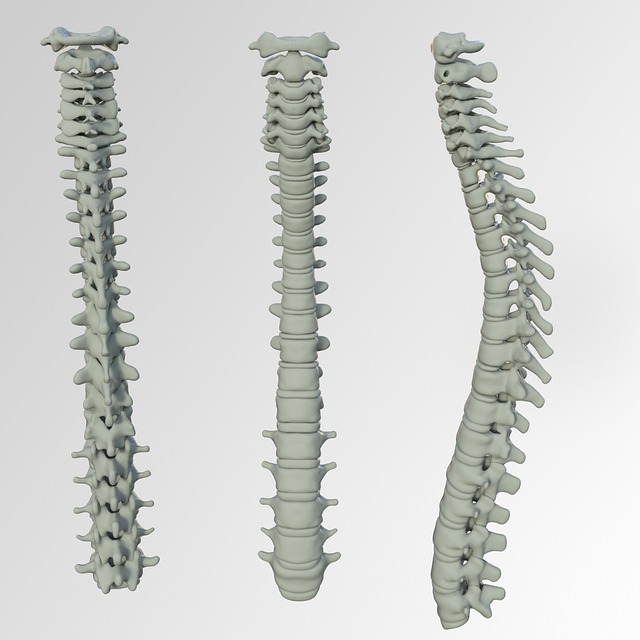
Chiropractic care offers a holistic approach to managing back and neck spasms, particularly those stemming from motor vehicle accidents. This ancient practice focuses not just on symptomatic relief but also on addressing the underlying causes of muscle tension and misalignment. Unlike some treatments that mask symptoms, chiropractic support for motor vehicle accident-related muscle spasms naturally aims to restore the body’s natural balance and function.
Chiropractors utilize a variety of techniques including spinal manipulation, joint mobilization, and therapeutic exercises tailored to each patient’s specific needs. For instance, adjustments to the spine can help alleviate pressure on nerves compressed by tightened muscles, while specific stretches and strengthening exercises target problematic muscle groups. A study published in the Journal of Manipulative and Physiological Therapeutics found that chiropractic care significantly improved pain levels and functionality in patients with neck and back spasms following a motor vehicle accident.
The benefits of chiropractic support extend beyond immediate relief. By promoting self-healing and improving overall posture, this approach fosters long-term resilience against future muscle spasms. Regular chiropractic check-ups can help identify early signs of misalignment or tension, allowing for proactive care and prevention. For those recovering from a motor vehicle accident, incorporating chiropractic support into their rehabilitation plan can lead to more complete healing and a reduced risk of chronic pain and disability.
Back and neck spasm management after an accident is a multifaceted approach. Understanding the root cause, whether from whiplash or trauma, is key to effective treatment. Natural remedies like heat therapy, stretching, and massage offer immediate relief for muscle spasms. However, for long-term chiropractic support for motor vehicle accident-related muscle spasms naturally, Chiropractic Care emerges as a powerful tool. This holistic approach aligns the body’s natural healing processes, addressing underlying misalignments and fostering sustained wellness. By combining these strategies—natural remedies for acute symptoms and chiropractic care for structural balance—individuals can find lasting relief and restore their bodies’ optimal function following an accident.