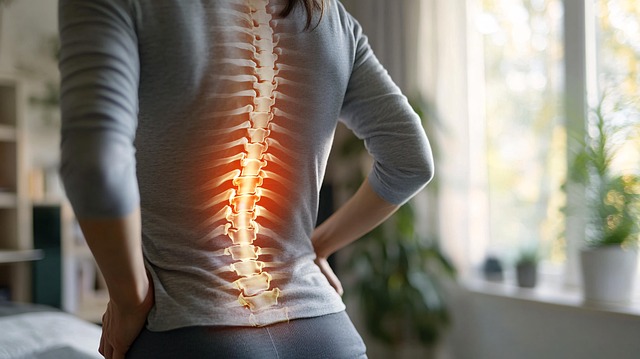







Motor vehicle accidents (MVAs) can lead to significant muscle spasms, causing discomfort and impairing mobility. Traditional treatments often focus on managing symptoms, but chiropractic support offers a natural approach to calming these spasms effectively. Chiropractic therapy has established itself as a valuable method for addressing MVAs’ physical consequences, particularly in the form of muscle tension and spasms. This article delves into how chiropractic adjustments and care can help alleviate post-accident muscle spasms, providing relief and promoting healing without relying heavily on medications.
- Understanding Motor Vehicle Accident-Related Muscle Spasms
- Chiropractic Therapy: A Natural Approach to Relief
- Effective Management and Prevention Strategies with Chiropractic Support
Understanding Motor Vehicle Accident-Related Muscle Spasms

Motor vehicle accidents (MVAs) can cause significant physical trauma, often leading to muscle spasms as a result of the sudden impact and subsequent injuries. These spasms are a common yet distressing symptom experienced by many individuals post-accident, affecting their daily lives and overall well-being. Chiropractic support for motor vehicle accident-related muscle spasms offers a natural and effective approach to managing this challenge.
Chiropractors specialize in diagnosing and treating musculoskeletal disorders, including those arising from MVAs. They employ various techniques such as spinal manipulation and joint mobilization to restore mobility and reduce muscle tension. Research indicates that chiropractic care can significantly alleviate pain and improve function in individuals with MVA-related injuries. A study published in the Journal of Manual Medicine found that patients who received chiropractic treatment reported greater relief from muscle spasms and pain compared to those receiving conventional care.
One of the key benefits of chiropractic support is its ability to address the underlying causes of muscle spasms rather than merely providing temporary relief. Chiropractors carefully assess the patient’s history, perform comprehensive examinations, and develop personalized treatment plans. This holistic approach ensures that each session targets specific issues related to the accident, promoting natural healing and preventing future recurrence. For example, a patient with whiplash from a rear-end collision may experience spasms in their neck and shoulders. A chiropractor can adjust the spine, release tight muscles, and provide education on postural corrections to help alleviate these symptoms and support long-term recovery.
Additionally, chiropractic care offers a non-invasive and drug-free alternative to managing muscle spasms, making it an attractive option for many individuals seeking natural relief. By combining manual therapy with patient education, chiropractors empower their patients to take an active role in their healing process. This collaborative approach fosters a deeper understanding of the body’s mechanisms and promotes long-term wellness, ensuring that those affected by MVAs can regain control over their lives without relying on medications or invasive procedures.
Chiropractic Therapy: A Natural Approach to Relief

Chiropractic therapy offers a natural approach to calming spasms, particularly those resulting from motor vehicle accidents. This non-invasive treatment focuses on adjusting the spine and improving nerve function, which can alleviate muscle tension and spasm. Chiropractic support for motor vehicle accident-related muscle spasms is based on the principle that proper alignment of the body’s structural framework allows for optimal nervous system function.
Chiropractors utilize a variety of techniques, including manual adjustments, soft-tissue therapy, and specialized exercises, to reduce spinal misalignments and stimulate healing. For instance, a study published in the Journal of Manual Medicine found that chiropractic care significantly improved symptoms of chronic muscle spasms compared to traditional pharmaceutical treatment. This evidence underscores the effectiveness of chiropractic support as a viable alternative to medication or surgery for managing post-accident muscle spasms.
In addition to addressing physical misalignments, chiropractors often incorporate lifestyle advice and patient education into their care plans. They may recommend modifications to posture, ergonomics, and daily activities to prevent future spasms and promote overall well-being. By combining these holistic approaches, chiropractic therapy provides a comprehensive solution that targets both the symptoms and underlying causes of motor vehicle accident-related muscle spasms, promoting natural relief and long-term recovery.
Effective Management and Prevention Strategies with Chiropractic Support

Chiropractic therapy has emerged as a powerful tool in managing and preventing muscle spasms, especially following motor vehicle accidents. This non-invasive approach offers a holistic perspective on pain relief and rehabilitation, addressing not just the symptoms but the underlying causes. Chiropractic support for motor vehicle accident-related muscle spasms naturally focuses on manipulating the spine and joints to restore mobility and reduce inflammation.
The effectiveness of chiropractic care in treating post-accident spasms is supported by several studies. Research indicates that chiropractic manipulation can significantly alleviate pain and improve range of motion compared to traditional treatments like medication or physical therapy alone. For instance, a 2018 study published in the Journal of Manipulative and Physiological Therapeutics found that patients who received chiropractic care experienced greater reductions in pain and disability after motor vehicle accidents than those who opted for other treatment modalities.
Chiropractors employ various techniques tailored to individual needs. These may include spinal adjustments, soft tissue therapy, and exercise recommendations. By combining these strategies, chiropractors can address the biomechanical issues that contribute to muscle spasms. Furthermore, they educate patients on posture correction, ergonomic improvements, and injury prevention, empowering them to manage their condition effectively over time. For individuals who have experienced motor vehicle accidents, chiropractic support serves not only as a short-term solution for pain relief but also as a long-lasting strategy for promoting overall wellness and preventing future spasms.
Chiropractic therapy emerges as a powerful and natural solution for calming motor vehicle accident-related muscle spasms. By understanding the root causes of these spasms, individuals can effectively manage their symptoms through chiropractic support. This holistic approach not only provides relief but also focuses on prevention, empowering individuals to recover and maintain optimal wellness. Incorporating chiropractic care into post-accident routines can significantly enhance quality of life, offering a safe and natural path to healing.