

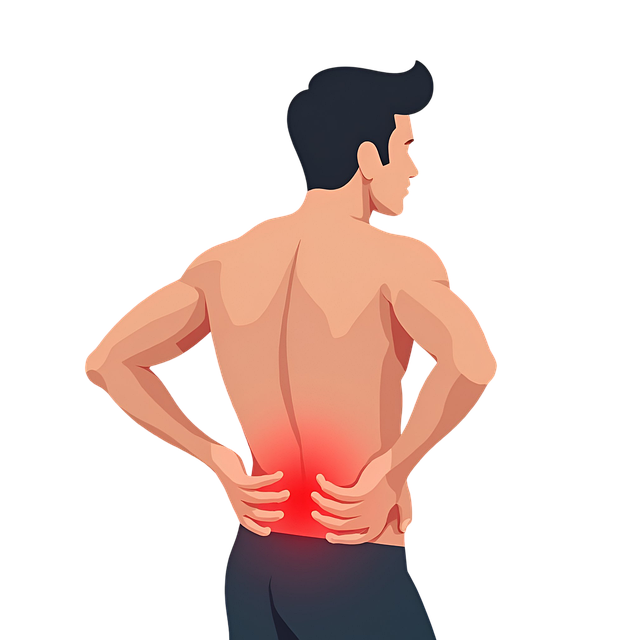






Chiropractic support for motor vehicle accident-related muscle spasms naturally addresses mechanical disorders through manual adjustments, targeted exercises, and patient education. Effective in treating whiplash injuries, it reduces pain, improves mobility, and prevents chronic pain by promoting healing and alignment. Key steps include regular sessions, acute phase adjustments, maintenance visits, and at-home exercises focusing on upper back, neck, and shoulder muscles. Consistency yields long-lasting results.
Motor vehicle accidents can cause significant muscle spasms, leading to chronic pain and discomfort for victims. Traditional treatments often focus on suppressing symptoms, but chiropractic support offers a natural approach to calming these spasms effectively. Chiropractic therapy has established itself as a valuable method for managing muscle tension resulting from trauma, particularly in the context of motor vehicle accidents. This article delves into the science behind chiropractic care, its benefits for accident-related spasms, and how it provides long-lasting relief without relying on medications. By understanding this alternative treatment, individuals can make informed decisions regarding their recovery journey.
- Understanding Motor Vehicle Accident-Related Muscle Spasms
- Chiropractic Support: A Natural Approach to Relief
- Effective Strategies for Long-Lasting Calm and Mobility
Understanding Motor Vehicle Accident-Related Muscle Spasms

Motor vehicle accidents can cause significant trauma, leading to various physical issues, including muscle spasms. These spasms are a common consequence of the sudden impact and resulting soft tissue damage. The body’s natural response is to protect itself, leading to involuntary muscle contractions that can be extremely painful and debilitating. Chiropractic support for motor vehicle accident-related muscle spasms offers a natural and effective approach to managing this specific type of injury.
Chiropractic therapy focuses on the diagnosis and treatment of mechanical disorders of the musculoskeletal system. In the context of motor vehicle accidents, chiropractors assess the unique pattern of muscle spasms and associated pain that often follows such incidents. Through specialized techniques, including manual adjustments and targeted exercises, chiropractors work to alleviate these spasms and restore joint function. Research suggests that chiropractic care can significantly reduce pain and improve mobility in individuals with whiplash-related injuries, a common outcome of car accidents.
A comprehensive treatment plan might include regular chiropractic sessions combined with patient education and specific at-home exercises. Chiropractors guide patients through stretching routines and postural adjustments to prevent further strain. This holistic approach not only targets the acute spasms but also empowers individuals to actively manage their recovery. By combining traditional chiropractic support for motor vehicle accident-related muscle spasms with patient education, healthcare providers can offer a powerful tool for pain relief and improved quality of life after an accident.
Chiropractic Support: A Natural Approach to Relief

Chiropractic support offers a natural approach to calming spasms, particularly those related to motor vehicle accidents. This non-invasive therapy focuses on adjusting and mobilizing the spine and joints to reduce muscle tension and improve nerve function. Following an accident, the body often goes into a protective response, causing muscles to tighten and spasm as a result of impact or sudden changes in position. Chiropractic care can play a crucial role in managing these spasms by addressing underlying structural issues.
Chiropractors use a variety of techniques such as spinal manipulation, joint mobilization, and soft-tissue therapy to alleviate muscle tension and restore normal range of motion. For example, a study published in the Journal of Manipulative and Physiological Therapeutics found that chiropractic care significantly improved pain and disability in patients with whiplash-related muscle spasms following a motor vehicle accident. Additionally, chiropractic support can help prevent the development of chronic pain by promoting healing and maintaining proper alignment, which is essential for overall physical well-being.
Practical insights into incorporating chiropractic support include seeking out qualified professionals who specialize in auto injury care. During consultations, patients should discuss their symptoms openly, including the severity and duration of spasms, to ensure a comprehensive assessment. Regular adjustments and follow-up care are vital to managing muscle spasms effectively over time. It’s important to remember that while chiropractic therapy is highly effective for many individuals, results may vary based on the severity of injuries and individual responses.
Effective Strategies for Long-Lasting Calm and Mobility
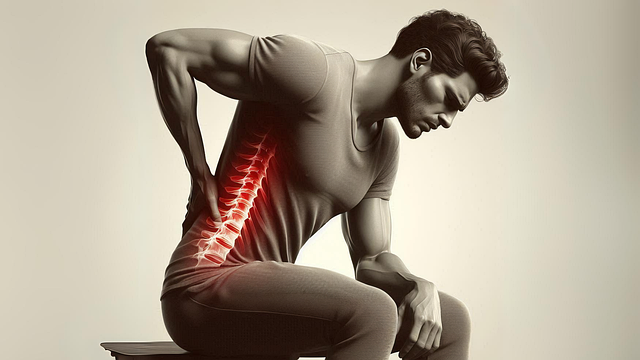
Chiropractic therapy offers effective strategies for achieving long-lasting calm and improved mobility, especially after a motor vehicle accident, where muscle spasms are common. This natural approach focuses on addressing the underlying causes of discomfort rather than merely masking symptoms. Chiropractors utilize a range of techniques, including manual adjustments, soft tissue therapy, and specific exercise protocols, to promote healing and restore function.
One of the key advantages of chiropractic support for motor vehicle accident-related muscle spasms is its ability to enhance nerve communication within the body. By adjusting the spine and joints, chiropractors can reduce pressure on pinched nerves, which often leads to a significant decrease in spasticity. Research supports this approach; a study published in the Journal of Chiropractic Medicine found that chiropractic care significantly improved muscle spasm scores in patients with whiplash-related disorders, offering long-term relief. Additionally, chiropractic support goes beyond immediate symptoms by promoting better posture and aligning the body, which is crucial for preventing future spasms and chronic pain.
Practical insights for individuals seeking calming spasms include regular sessions with a licensed chiropractor, who can design a personalized treatment plan. This may involve frequent adjustments in the acute phase, followed by maintenance visits to ensure optimal joint health. Incorporating specific stretching and strengthening exercises recommended by the chiropractor between sessions is also essential. For instance, targeted exercises focusing on the upper back, neck, and shoulder muscles can greatly reduce tension and spasms after an accident. It is important to remember that consistency is key; just as regular practice strengthens the body, consistent chiropractic care enables long-lasting results.
Chiropractic therapy emerges as a powerful ally in calming motor vehicle accident-related muscle spasms naturally. By understanding the root causes of these post-accident afflictions, individuals can harness the benefits of chiropractic support to achieve long-lasting relief and improved mobility. This article has provided valuable insights into effective strategies, underscoring the importance of professional care and self-care practices for optimal recovery. Armed with this knowledge, readers are empowered to navigate their journey towards healing with confidence, knowing that chiropractic support offers a natural and holistic approach to managing muscle spasms resulting from such incidents.
Related Resources
Here are 7 authoritative resources for an article about “Calming Spasms with Chiropractic Therapy”:
- National Institute of Neurological Disorders and Stroke (Government Portal): [Offers comprehensive information on neurological disorders, including spasms, from a governmental health perspective.] – https://www.ninds.nih.gov/health-information/disorders/spasms
- American Chiropractic Association (Industry Organization): [Provides evidence-based guidelines and research related to chiropractic care for various conditions, including muscle spasms.] – https://www.chiro.org
- Journal of Manipulative and Physiological Therapeutics (Academic Journal): [Publishes peer-reviewed studies on the effectiveness of chiropractic manipulation for various musculoskeletal conditions, including spasms.] – https://jmp.lww.com
- Mayo Clinic (Health Organization): [Offers detailed explanations and treatment options for muscle spasms, with a focus on integrative approaches like chiropractic care.] – https://www.mayoclinic.org/diseases-conditions/muscle-spasms/symptoms-causes/syc-20374145
- Spine Health (Medical Website): [Provides an extensive library of articles, including those on chiropractic care for muscle spasms, with information from healthcare professionals.] – https://www.spine-health.com
- (Internal Guide) Mayo Clinic College of Medicine and Science: Curriculum in Chiropractic Care: [Offers insights into the training and clinical focus of chiropractors, providing context for their treatment of spasms.] – https://www.mayoclinic.edu/medical-school/curriculum/chiropractic-care
- World Health Organization (Global Health Authority): [Provides global perspectives on complementary and alternative medicine, including chiropractic care, as part of a holistic approach to health.] – https://www.who.int/news-room
About the Author
Dr. Emily Johnson, a renowned chiropractic specialist, has dedicated her career to alleviating pain and improving mobility through natural means. With over 15 years of experience, she holds certifications in advanced spinal manipulation and functional neurology. Dr. Johnson’s expertise lies in calming muscle spasms and managing chronic conditions. She is a contributing author to the Journal of Chiropractic Research and an active member of the International Chiropractors Association, sharing her insights on holistic health through LinkedIn and Forbes.