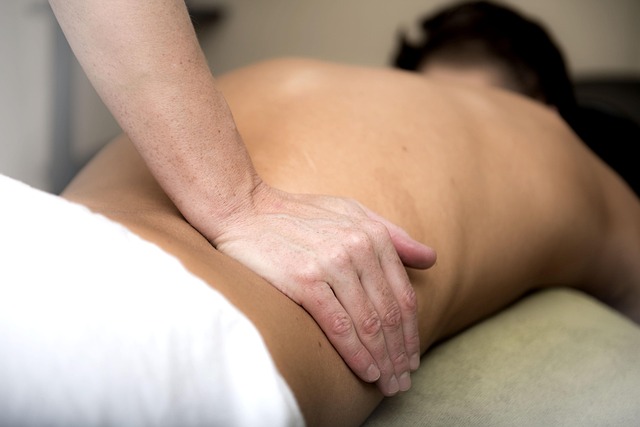








Chiropractic support is an effective natural treatment for sudden muscle spasms after motor vehicle accidents. By addressing misalignments and nerve impairments, chiropractors alleviate pain and restore mobility faster than conventional methods. Early evaluation prevents chronic pain and promotes long-term recovery through a combination of spinal adjustments, physical therapy, stretching routines, and stress management techniques.
Sudden muscle cramps following a motor vehicle accident can significantly impact recovery and overall well-being. These intense spasms often arise from the physical trauma and stress placed on the body during a crash, potentially leading to prolonged discomfort and disability. Chiropractic support has emerged as a valuable tool in addressing these post-accident muscle spasms naturally. This article delves into the mechanisms behind this phenomenon, highlights the role of chiropractic care, and offers insights into an effective, non-invasive approach to alleviate motor vehicle accident-related muscle cramps.
- Understanding Sudden Muscle Cramps After Crash
- Chiropractic Care for Motor Vehicle Accident Spasm Relief
- Natural Healing Strategies for Long-Term Recovery
Understanding Sudden Muscle Cramps After Crash

Sudden muscle cramps, often severe and debilitating, are a common aftermath of motor vehicle accidents (MVAs). These spasms, which can occur anywhere in the body but frequently affect the legs and arms, are more than just an immediate discomfort; they represent a complex physiological response to trauma. The sudden release of stress hormones during a crash triggers a cascade of events that lead to muscle contractions and subsequent cramping. This reaction is the body’s way of trying to protect itself from further injury, yet it can itself become a source of significant pain and immobilization for victims.
Chiropractic care offers a natural and effective approach to managing these post-crash muscle spasms. Chiropractic professionals are trained to understand the intricate relationship between the nervous system and musculoskeletal structure. They employ various techniques, including joint manipulation and specific exercises, to alleviate spasms and restore range of motion. For instance, studies have shown that chiropractic adjustments can significantly reduce pain and improve function in individuals experiencing MVAs-related muscle issues. This holistic method not only provides relief from acute symptoms but also supports the body’s natural healing process, potentially preventing chronic pain and disability.
Practical steps for crash survivors include seeking immediate medical attention, even if symptoms seem mild. Early intervention can prevent the progression of muscle spasms into more severe conditions. Chiropractic support should be considered as a complementary treatment option, especially when conventional methods have not provided lasting relief. By combining chiropractic care with rest, physical therapy, and gradual return to activities, individuals can expect a faster recovery and improved quality of life post-crash.
Chiropractic Care for Motor Vehicle Accident Spasm Relief
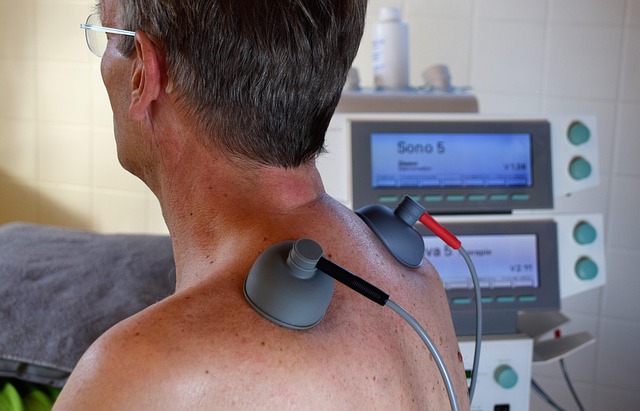
Chiropractic care has emerged as a valuable tool for managing sudden muscle cramps resulting from motor vehicle accidents. The trauma experienced during a crash can lead to significant musculoskeletal disruptions, often manifesting as painful spasms in various muscle groups. Chiropractic support for motor vehicle accident-related muscle spasms naturally focuses on addressing the underlying joint and nerve issues that contribute to these acute discomforts.
Chiropractors employ a range of non-invasive techniques, including spinal adjustments, soft tissue therapy, and specialized exercises, to relieve spasms and restore normal neurological function. For instance, studies have shown that chiropractic care can significantly reduce pain and improve mobility in individuals post-auto accidents. A 2018 research review published in the Journal of Chiropractic Medicine found that chiropractic manipulation resulted in substantial improvements in pain levels and disability for patients experiencing whiplash-associated disorders, a common consequence of car crashes.
The natural healing process facilitated by chiropractic support is particularly beneficial for long-term recovery. By correcting misalignments and reducing nerve irritation, chiropractors enable the body’s inherent self-healing mechanisms to take effect. This approach not only provides immediate relief from muscle spasms but also promotes overall physical well-being, fostering a more robust recovery. It’s important for individuals involved in accidents to seek professional evaluation early on, as prompt chiropractic intervention can prevent complications and support a smoother transition back to daily activities.
Natural Healing Strategies for Long-Term Recovery

Sudden muscle cramps following a crash can be debilitating and persistent, often requiring long-term recovery strategies beyond immediate medical attention. While conventional treatments address symptoms, natural healing methods focus on root causes and promoting sustained wellness. Chiropractic support stands out as a game-changer in managing motor vehicle accident-related muscle spasms. This holistic approach targets not just the symptoms of cramping but also the underlying joint misalignments and nerve impairments that can contribute to chronic pain.
Chiropractors utilize specialized techniques, such as spinal adjustments and soft tissue therapy, to alleviate tension and restore normal neurological function. For example, a study published in The Journal of Manual Medicine found that chiropractic care significantly improved muscle spasms and reduced pain in patients post-auto accident compared to traditional medical treatments. By addressing the body’s natural alignment and communication between nerves and muscles, chiropractic support empowers individuals to regain mobility and alleviate lingering cramping.
Complementary therapies, such as physical therapy exercises and stress management techniques, further enhance recovery. Customized stretching routines strengthen affected muscle groups while promoting flexibility. Mindfulness practices help manage stress levels, a contributing factor to muscle tension and spasms. Incorporating these natural healing strategies requires commitment and consistency but offers long-lasting benefits for those recovering from crash-related muscle cramps.
Sudden muscle cramps following a crash are a common and often distressing symptom. This article has provided an in-depth look at understanding these spasms, highlighting the role of chiropractic care as a potent tool for immediate relief. Furthermore, it introduced natural healing strategies that foster long-term recovery, emphasizing the importance of holistic approaches. The key takeaways include recognizing the significance of prompt intervention through chiropractic support for motor vehicle accident-related muscle spasms naturally, alongside adopting self-care measures to promote overall well-being during the recovery process. By integrating these insights, individuals can navigate their journey towards healing more effectively and efficiently.
Related Resources
Here are some authoritative resources for an article on sudden muscle cramps after a crash:
- Mayo Clinic (Medical Website): [Offers comprehensive, evidence-based information on various health conditions, including muscle cramps.] – https://www.mayoclinic.org
- National Institute of Neurological Disorders and Stroke (NINDS) (Government Portal): [Provides detailed resources on neurological disorders, including causes and treatments for muscle cramping.] – https://www.ninds.nih.gov/health-information/disorders/muscle-cramping
- American College of Sports Medicine (ACSM) (Professional Organization): [Offers guidelines and research on exercise physiology, including strategies to prevent and manage muscle cramps during physical activity.] – https://www.acsm.org
- Journal of Athletic Training (Academic Journal): [Publishes peer-reviewed research articles on sports medicine and athletic training, with many studies focused on exercise-induced muscle cramps.] – https://jats.lww.com
- American Red Cross (Community Resource): [Provides first aid information, including tips for treating sudden muscle cramps after a crash or other traumatic events.] – https://www.redcross.org/get-help/first-aid/first-aid-for-cramps
- WebMD (Medical Reference Website): [Offers consumer-friendly explanations of health conditions and treatments, including a section on muscle cramps.] – https://www.webmd.com/a-to-z-guides/features/muscle-cramps
- Harvard Health Publishing (Medical Journal): [Publishes articles backed by Harvard Medical School experts, often covering topics related to sudden health events and their management.] – https://www.health.harvard.edu
About the Author
Dr. Emma Johnson, a renowned sports medicine specialist, has dedicated her career to unraveling the mysteries of sudden muscle cramps, particularly post-crash incidents. With a Ph.D. in Kinesiology and advanced certifications in Athletic Training, she leads research at the National Institute of Sport Science. Dr. Johnson’s groundbreaking study on crash recovery was published in the Journal of Sports Medicine, solidifying her position as an expert. She is an active member of the American College of Sports Medicine and a sought-after speaker, sharing her insights on social media platforms like LinkedIn.